
How Rainy Weather Affects Septic Systems in Pierce and Thurston Counties

Heavy rain can saturate the soil around your septic system, making it harder for the drain field to absorb and treat wastewater. Slow drains, gurgling pipes, sewage odors, and backups can signal a problem. Reducing water use and keeping runoff away from your drain field can help reduce the strain.
Flow-Rite Septic Solutions provides septic pumping, inspections, and repairs for homeowners in Pierce and Thurston counties. If your septic system develops problems during rainy weather, contact our team to discuss what you’re noticing and the next steps.
How Rain Affects Septic Systems
Rain Saturates the Drain Field
Your septic tank separates solids from wastewater before the liquid moves to the drain field for further treatment in the soil. During prolonged rainfall, saturated soil can limit the drain field’s ability to absorb and treat that wastewater.
Watch for persistent wet areas, sewage odors, or unusually lush grass over the drain field. These signs do not establish the cause on their own, but they warrant attention, especially when accompanied by slow drains or backups.
Saturated Conditions Can Cause Slow Drains and Backups
When wastewater cannot move through the drain field properly, it may drain slowly or back up through household fixtures. You might notice several slow drains, gurgling toilets, or wastewater coming up through a shower or other low drain.
Do not assume these symptoms mean the tank simply needs pumping. Saturated soil, blocked pipes, equipment problems, and other conditions can produce similar warning signs. A septic professional can evaluate the system and recommend an appropriate response.
If sewage backs up into your home, stop using water as much as possible, keep people and pets away from the affected area, and contact Flow-Rite Septic Solutions promptly.
How to Prepare Your Septic System for Rain or Floods
Routine care can reduce avoidable problems, although it cannot eliminate the effects of severe flooding or prolonged soil saturation.
Keep Inspections and Pumping Current
Schedule septic inspections according to your system’s requirements and local health department guidance. Inspection requirements vary by system type and location.
Have your septic tank pumped when accumulated sludge and scum require it. A septic tank normally contains liquid, so a tank that looks “full” does not automatically need pumping.
Plan routine maintenance before flooding occurs. Do not pump the tank while the drain field is flooded or saturated. Contact a septic professional to determine when pumping is appropriate.
Keep Runoff Away From the Drain Field
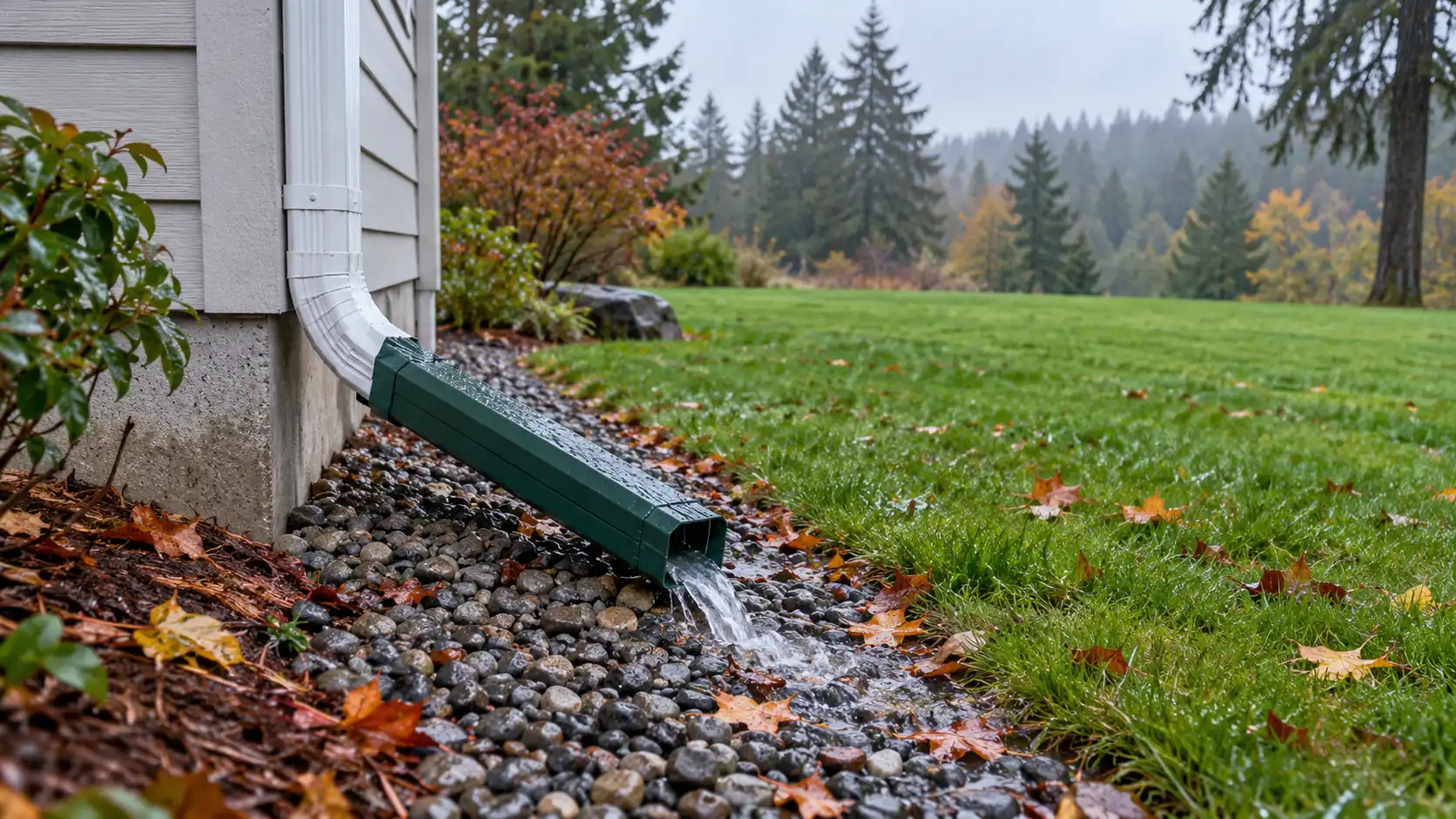
Keep gutters and downspouts clear, and direct roof runoff away from the septic tank and drain field. Do not discharge sump pumps or other drainage water into the septic system.
Avoid grading, digging, or making drainage changes around your system without professional guidance. The goal is to divert clean rainwater without damaging septic components or moving the problem elsewhere.
Reduce Household Water Use
During prolonged rain or saturated conditions, limit unnecessary water use to reduce wastewater entering the system.
- Postpone laundry when possible and spread necessary loads across several days.
- Take shorter showers.
- Run the dishwasher only when needed and with a full load
- Repair leaking toilets and faucets.
If wastewater is already backing up, minimize water use and contact a septic professional instead of continuing normal household routines.
Protect the Tank and Drain Field
Keep vehicles, heavy equipment, and stored materials off the septic tank and drain field. Their weight can damage components and compact the soil.
Choose shallow-rooted vegetation suitable for drain fields, and keep tank lids accessible and securely closed. Avoid flushing wipes, grease, or other materials that can interfere with the system.
What to Check After Heavy Rain
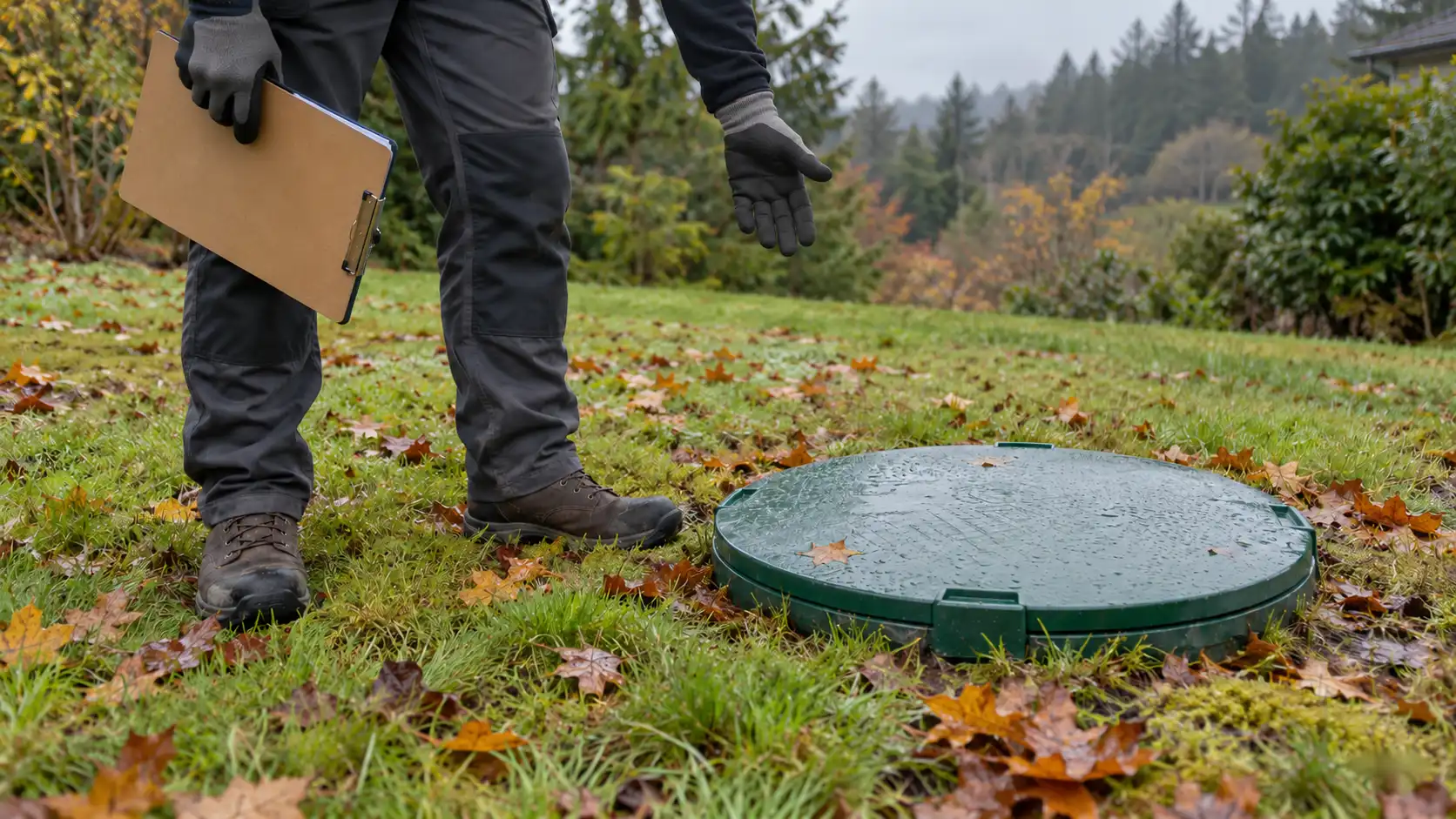
Once the storm passes, watch for continuing slow drains, gurgling fixtures, odors, or wet areas over the system. Standing water may reflect saturated ground, but evaluate persistent pooling or surfacing sewage.
Keep vehicles and heavy equipment away from the wet drain field. Do not open septic tank lids or attempt to enter a tank.
If the system was flooded or symptoms continue, arrange a professional assessment. Flow-Rite Septic Solutions can inspect the system and discuss whether it needs maintenance or septic repairs.
Get Help With Rain-Related Septic Problems
Slow drains, sewage odors, and backups deserve prompt attention. Flow-Rite Septic Solutions is a local, family-owned company providing septic pumping, inspections, repairs, and emergency services.
Call us to discuss your symptoms and confirm availability. For routine maintenance, request an appointment online.
Call Flow-Rite: (253) 442-5222

Flow-Rite Septic Solutions has the experience needed to handle tough jobs that other plumbers can't. When you need advice for informed decision-making about sewer or septic, you can count on Flow-Rite Septic Solution’s experts.
Frequently Asked Questions About Rain and Septic Systems
Yes. Heavy rain can saturate the drain field and limit the soil’s ability to absorb wastewater. Wastewater may then drain slowly or back up into your home. Because blockages and equipment problems can cause similar symptoms, Flow-Rite Septic Solutions recommends having the system evaluated rather than assuming rain is the only cause.
Do not pump your tank while the drain field is flooded or saturated. Pumping under those conditions can damage the system, including creating a risk that the tank will shift or float. Call Flow-Rite Septic Solutions to discuss the conditions and determine when pumping is appropriate.
A septic tank should be watertight, but groundwater or stormwater may enter through leaking lids, risers, seals, or damaged components. Rain can also saturate the drain field even when the tank is properly sealed. An inspection can help identify the source of unusually high water levels.
Yes. Reducing water use can ease the load on a septic system when the drain field is saturated. Postpone laundry where possible, take shorter showers, and avoid running several water-intensive appliances close together. If sewage backs up, stop unnecessary water use and call a professional.
Temporary puddles can occur after heavy rain, but don't dismiss persistent standing water over the drain field. Sewage odors, surfacing wastewater, or slow drains make the situation more concerning. Keep people and pets away from suspected sewage and contact Flow-Rite Septic Solutions for an evaluation.
Many household septic tanks need pumping approximately every three to five years, but the right interval depends on tank size, household size, water use, and solids accumulation. Flow-Rite Septic Solutions can assess the tank and recommend a schedule based on its condition. Pumping does not replace a septic inspection.
The schedule depends on your system type, location, and applicable health department requirements. Some systems require more frequent inspections than others. Follow your county notices and system maintenance requirements, and contact Flow-Rite Septic Solutions if you need help determining which inspection service to schedule.
Flooding can damage septic components, and prolonged saturation can interfere with wastewater treatment. Some systems recover as groundwater levels fall, while others need repairs. A backup after rain does not automatically mean the entire system needs replacement. A professional assessment can help determine the extent of the problem.
A conventional septic system includes a septic tank and a drain field. The tank separates solids from wastewater, and the drain field distributes liquid into the soil for further treatment. Depending on the design, a system may also include pumps, alarms, filters, or additional treatment components.
Call if sewage backs up into your home, a septic alarm activates, several drains become slow, or you notice persistent odors or wet areas over the system. Explain when the symptoms started and whether the property has flooded. Flow-Rite Septic Solutions can discuss the situation and recommend the next steps.
